Data Center Construction in the Aurora Metro
Shell, power and cooling infrastructure for enterprise and colocation data centers in Aurora, the Denver Tech Center area and the east metro.
A National Reconnaissance Office ground station, Aerospace Data Facility-Colorado, operates on Buckley Space Force Base in Aurora, alongside the Space Force missile warning mission flown from the same base. We mention it because it shows what the east metro already is: a place where secure, power-hungry, continuously operating buildings are part of the landscape, and where municipal and military neighbors are used to them.
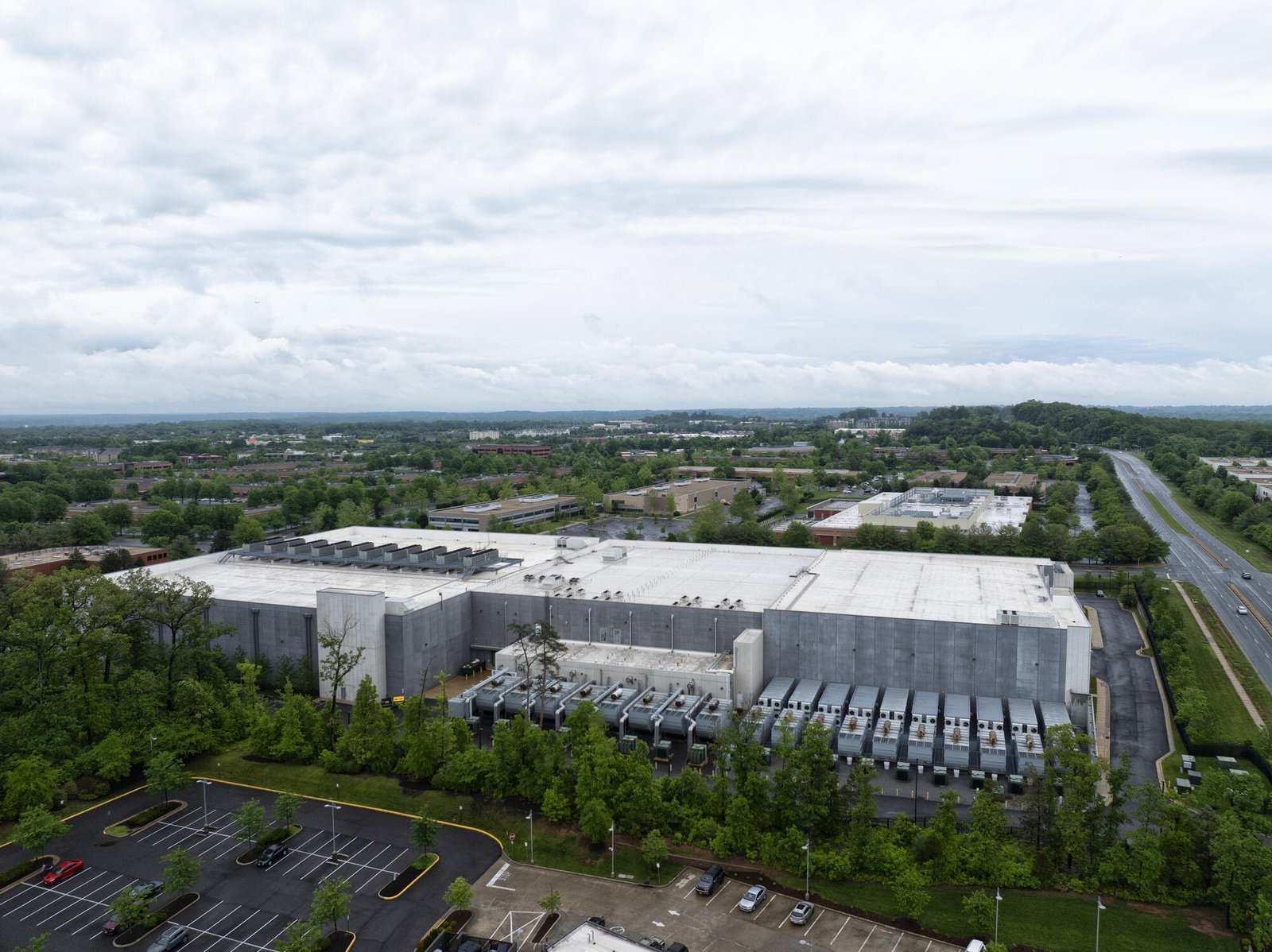
A data center is a power and cooling plant with a building wrapped around it. A large share of the early schedule is about electrical service, switchgear, generators and chillers, and the building envelope often follows those decisions instead of leading them. We build enterprise data centers, colocation shells, edge facilities and data halls inside existing buildings, and we build them for owners who care more about uptime than appearance.
That changes how a general contractor works. We plan around equipment delivery dates, inspection hold points, vendor start-up and integrated testing, and we are as strict about dust, water and vibration on the construction side as the finished facility will be on the operating side.
Codes, energy rules and the utility
The permit set for a data center touches more disciplines than almost any other building type: structural, fire protection with special suppression, mechanical, electrical with on-site generation, and often environmental review of fuel storage and exhaust. Aurora's building division works from the 2021 I-codes with city amendments, while neighboring jurisdictions adopt their own editions on their own schedules, a patchwork the Home Builders Association of Metro Denver tracks city by city. We confirm the edition in force for your parcel before drawings begin.
Energy is a design question as much as a code question. Colorado HB22-1362 requires any county or municipality that updates a building code on or after July 1, 2023 to adopt an energy code with equivalent or better performance than the 2021 IECC, and from July 1, 2026 the benchmark becomes the state model low energy and carbon code. Data halls get no special pass: envelope, lighting and mechanical design follow those rules around the process load, and we make sure the engineer of record has addressed them before submittal.
Site selection and power first
The best data center site is the one with usable power and fiber, not the cheapest land. We help owners test parcels in the Denver Tech Center area, along E-470 and near Buckley by asking the serving utility for capacity and by mapping where fiber routes enter the site. A parcel that looks cheap can lose its advantage if the service extension is long or the substation upgrade is scheduled years out.
Once a site is chosen, the questions are physical. Soil type and groundwater affect generator and fuel storage foundations. Flood and drainage patterns affect equipment elevations. Neighbors affect generator noise limits and the visibility of the building. And because the Denver Tech Center sits at the junction of Interstate 25 and Interstate 225, truck routes for heavy equipment deliveries need review in that area before any road restriction catches us.
The building around the equipment
Our scope normally includes site work, a concrete or tilt-up structure, roofing designed for rooftop equipment, secure entry sequences, and the mechanical and electrical rooms. Many owners choose a tilt-wall shell for its mass, security and speed, with interior framing and slab upgrades for the data halls. For corporate users inside existing office parks, we also convert space into data halls, upgrading floor loading, ceiling height and structural support for cooling.
We pay attention to details that rarely appear on schedule bars: waterproofing above electrical rooms, roof drain layouts away from equipment, clean construction sequencing that keeps dust out of finished halls, and security from the first day, with controlled access, cameras and a visitor log for trades. Owners who plan to lease space to others often work with us as commercial real estate developers, building the shell and core first and the tenant data halls on demand.
Equipment drives the calendar
Generators, switchgear, transformers and chillers can take many months to arrive, and a data center's critical path usually runs through them, not through the concrete. We bring owners into long-lead procurement early, reserving manufacturing slots and agreeing on delivery windows before the building permit is final, and we plan crane picks and rigging for each major piece.
The back end of the schedule is testing. Start-up, functional tests, load-bank testing and integrated systems tests can take as long as framing a floor, and every trade has to finish its scope before they begin. Our commissioning and closeout process is part of the schedule from the first draft, with test dates fixed and a punch list that stops at the equipment room door.
Services that sit beside the build
A data center project seldom stands alone. It often needs site development and utilities work for duct banks and fiber paths, and a complete data center program may include offices, a loading dock and staging space for hardware. We coordinate all of it under one schedule.
Owners near the airport and base corridors may also have special requirements for height, lighting or security, and we raise those with the planning office early. In the area around Buckley Space Force Base, those conversations start before the first drawing.
Start with your power requirement
Tell us the megawatts, the redundancy level and the date you need to hand the building to operations. We will return a site approach, a long-lead list and a first schedule.
Questions Owners Ask
What drives data center schedules more than the building does?
Electrical gear. Switchgear, transformers and generators have long lead times, and the utility interconnection can take longer still. We place orders early and schedule the shell so the equipment pads and rooms are ready when the gear arrives.
Do you build in existing buildings or only new shells?
Both. Converting space to data halls means checking floor loads, ceiling heights, roof capacity for cooling equipment and the path for equipment to enter. If the building cannot meet those needs economically, we say so before you commit.
How do you keep construction dust and water away from finished equipment?
We stage work so that wet and dusty trades finish before clean spaces are enclosed, protect openings with negative air or temporary barriers, and clean rooms before equipment is set. Roof and wall penetrations are inspected for leaks before gear arrives.
Which code edition applies to a data center in Aurora?
The City of Aurora lists the 2021 International Building Code with city amendments and the 2023 National Electrical Code, and the Home Builders Association of Metro Denver shows no plans for the 2024 codes and an update expected in the 2027 cycle. Other cities in the metro differ, so we verify the edition for each parcel.
Can you phase a data center so the first hall opens early?
Yes. We design the electrical and mechanical backbone for the full build, then deliver halls in phases. The early hall goes live while the next one is under construction, with physical separation and security between the two.